.png)
Genuine Banarasi Saree Tips: Identifying the Authentic Banarasi Saree
The Banarasi saree is not just a garment; it is a poem woven in silk and gold, a timeless dance of threads that sings the heritage of Banaras. As I trace the delicate zari patterns and feel the rich texture, I am reminded that each saree carries the soul of generations of artisans. But in a world where imitation often shadows authenticity, how do we truly identify a genuine Banarasi saree? Let me take you on a journey through the shimmering lanes of Banaras, where tradition breathes life into every weave.
The Heartbeat of Banaras: What Makes a Banarasi Saree Authentic?
Authenticity in a Banarasi saree is like the first light of dawn - subtle yet unmistakable. The soul of these sarees lies in their intricate weaving, the use of pure silk, and the shimmering zari that adorns them. Genuine Banarasi sarees are handwoven on traditional looms by skilled artisans who have inherited their craft through centuries.
Here are some key elements that whisper the truth of authenticity:
Material: Pure mulberry silk is the canvas. The silk should feel soft, smooth, and luxurious to the touch, with a natural sheen that glows under light.
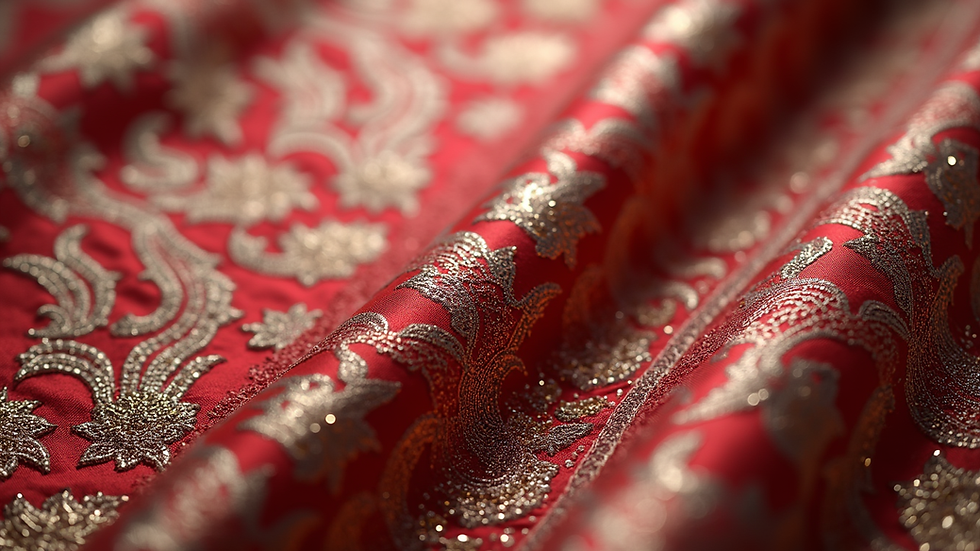
Zari Work: The zari threads are made of real gold or silver, often coated with fine layers of gold. They shimmer with a subtle brilliance, unlike synthetic threads that appear dull or overly shiny.
Weaving Technique: The saree is woven with a technique called Katan, where the silk threads are twisted before weaving, creating a rich texture and durability.
Design Motifs: Traditional motifs like floral patterns, kalga, bel, and jhallar are common. These designs are inspired by Mughal art and nature, flowing gracefully across the fabric.
Weight and Feel: Authentic Banarasi sarees have a certain weight due to the dense weaving and zari work. They drape elegantly but feel substantial in hand.
When I hold a genuine Banarasi saree, I feel the heartbeat of Banaras itself - vibrant, alive, and steeped in history.

Close-up view of intricate gold zari work on Banarasi saree
Genuine Banarasi Saree Tips: Spotting the Craftsmanship
To truly appreciate a Banarasi saree, one must look beyond the surface and listen to the story woven into its threads. Here are some practical tips to help you identify a genuine Banarasi saree:
Examine the Zari Threads
Real zari has a subtle, warm glow and does not peel or flake easily. Run your fingers gently over the zari patterns; if you notice any synthetic shine or flaking, it is likely a fake.
Check the Back of the Saree
Flip the saree and observe the reverse side. Authentic Banarasi sarees have neat, clean weaving on the back, with no loose threads or uneven patterns.
Look for the Signature of the Weaver
Many genuine Banarasi sarees carry a small signature or mark from the weaver, often woven into the border or pallu. This is a mark of pride and authenticity.
Feel the Texture
The silk should feel soft yet firm, with a slight crispness that speaks of quality weaving. If the fabric feels too smooth or slippery, it might be synthetic.
Observe the Motifs and Borders
Traditional Banarasi sarees have elaborate borders and pallu designs that are symmetrical and balanced. The motifs should be detailed and consistent throughout.
Weight Test
Hold the saree up and feel its weight. Authentic Banarasi sarees have a substantial weight due to the dense silk and zari work, unlike lighter imitations.
Price Point
While price alone is not a definitive indicator, genuine Banarasi sarees are an investment. Extremely low prices often hint at synthetic blends or machine-made copies.
By following these tips, you can embrace the elegance of a true Banarasi saree, knowing that you carry a piece of living heritage.
The Dance of Threads: Understanding the Weaving Process
The magic of a Banarasi saree unfolds in the rhythmic dance of threads on the loom. Each saree is a masterpiece born from patience, skill, and devotion. The weaving process is a symphony of tradition and artistry that takes weeks, sometimes months, to complete.
Preparation of Silk: The journey begins with the finest mulberry silk threads, dyed in vibrant hues using natural or high-quality synthetic dyes.
Setting the Loom: The warp and weft threads are arranged meticulously on the handloom. The weaver’s hands become the instruments of creation.
Zari Insertion: The zari threads, spun from real gold or silver, are woven into the fabric to create intricate patterns. This step requires precision and care.
Motif Weaving: Traditional motifs are woven using the jacquard technique, allowing complex designs to emerge with clarity and depth.
Finishing Touches: After weaving, the saree is washed, starched, and polished to enhance its sheen and softness.
Witnessing this process is like watching a painter bring a canvas to life, stroke by stroke. The saree is not just fabric; it is a living testament to the weaver’s soul.

Eye-level view of a traditional Banarasi saree weaving loom in Banaras
Caring for Your Banarasi Treasure: Tips to Preserve Its Beauty
Owning a genuine Banarasi saree is like holding a treasure that deserves gentle care. To keep its beauty radiant and its fabric intact, here are some nurturing tips:
Dry Clean Only: Always opt for professional dry cleaning to preserve the silk and zari work.
Storage: Store the saree in a cool, dry place. Wrap it in a muslin cloth to allow the fabric to breathe and prevent discoloration.
Avoid Direct Sunlight: Prolonged exposure to sunlight can fade the rich colors and weaken the silk fibers.
Air Occasionally: Take the saree out of storage and air it gently to prevent moisture buildup.
Handle with Care: When draping or folding, be gentle to avoid snagging the zari threads.
Use Naphthalene Balls Sparingly: If you use moth repellents, avoid direct contact with the saree to prevent damage.
By embracing these simple rituals, your Banarasi saree will continue to whisper stories of elegance and tradition for years to come.
Embracing Tradition: The Timeless Allure of Banarasi Sarees
The Banarasi saree is more than a garment; it is a bridge between the past and the present, a celebration of Indian artistry that transcends time. Wearing one is like wrapping yourself in a tapestry of history, culture, and craftsmanship.
For those who cherish the beauty of traditional Indian textiles, the Banarasi saree offers a unique blend of grace and grandeur. It invites you to be part of a legacy that honors the hands that wove it and the stories it carries.
If you wish to delve deeper into the world of Banarasi sarees and learn more about their authenticity, I recommend exploring the authentic banarasi sarees blog where artisans and enthusiasts share their knowledge and passion.
May your journey with the Banarasi saree be as enchanting as the fabric itself - rich, vibrant, and endlessly inspiring.


Comments